Online Ordering

7 articles

Whatsapp ordering
Online Ordering

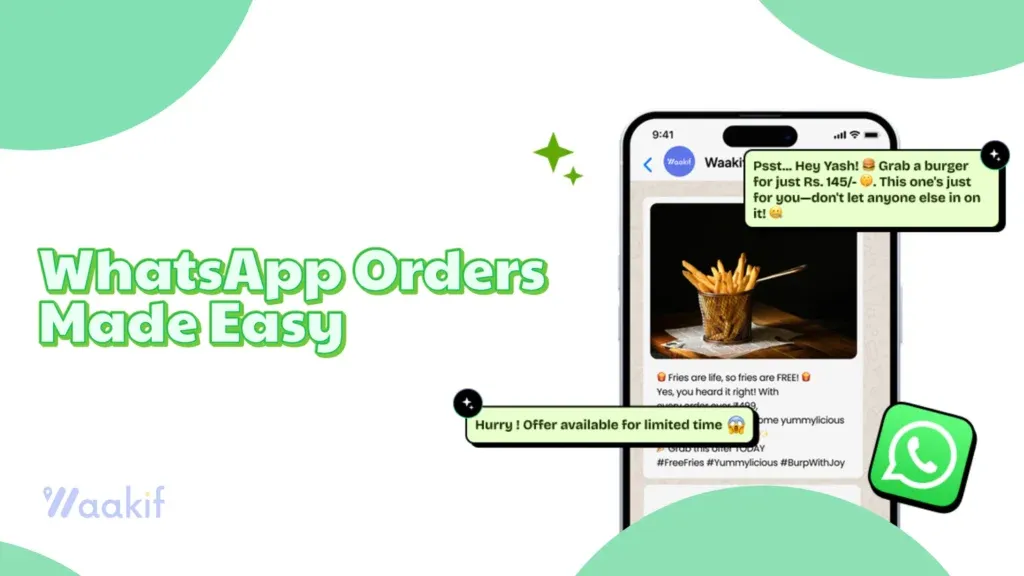
WhatsApp Ordering: Transforming Restaurants and Retail

WhatsApp ordering is revolutionising how businesses interact with customers, making the buying process more seamless, personal, and efficient. Whether you run a restaurant or a retail store, integrating WhatsApp ordering can streamline operations, boost customer engagement, and increase sales. Here’s how WhatsApp ordering is reshaping the food and retail industries. WhatsApp Ordering for Restaurants Restaurants are increasingly adopting WhatsApp ordering to simplify the customer journey from menu browsing to order confirmation. Here’s why it’s a game-changer: Direct and Convenient Communication: WhatsApp allows restaurants to connect directly with customers, eliminating the need for third-party apps or complex systems. Customers can place orders, ask questions, and receive updates all within a familiar chat interface. Effortless Order Management: Orders can be managed in real-time, reducing errors and ensuring accuracy. Automation features enable instant confirmations and streamline the entire process, from reservation to feedback collection. Enhanced Customer Experience: Personalized promotions, instant support, and real-time messaging foster loyalty and encourage repeat business. WhatsApp’s end-to-end encryption also ensures secure communication, building trust with diners. Easy Integration: Restaurants can create digital menus using WhatsApp catalogs, automate replies, and even integrate with payment gateways and CRM systems for a smooth workflow. WhatsApp Ordering for Retail Retailers are leveraging WhatsApp to offer a more engaging and personalized shopping experience: Personalized Customer Engagement: Retailers can share product images, catalogs, and even video demos, guiding customers through their shopping journey in real time. Automated greetings and tailored recommendations based on shopping behavior enhance engagement and brand loyalty. Seamless Order and Payment Processing: Customers can browse catalogs, place orders, and make payments, all within WhatsApp. This reduces cart abandonment by making checkout quick and frictionless. Real-Time Support and Updates: Retailers can provide instant customer support, send order confirmations, track deliveries, and automate returns or refunds, ensuring a hassle-free experience. Upselling and Cross-Selling: The conversational nature of WhatsApp enables retailers to suggest complementary products or upgrades, thereby increasing average order values and profitability. How WhatsApp Ordering Works The process is simple and user-friendly for both businesses and customers: Business Setup: Create a WhatsApp Business profile and optimize it with your brand details. Catalog Creation: Add products or menu items to your WhatsApp catalog, complete with images, descriptions, and prices. Promotion: Share your WhatsApp ordering link or QR code on your website, social media, and in-store materials to encourage customers to start a chat. Order Placement: Customers browse the catalog, select items, and place orders directly through WhatsApp. Automated chatbots can guide them through the process. Order Management: Businesses receive orders instantly, confirm them, and process payments all within the app. Follow-up: Send order updates, delivery tracking, and request feedback to nurture long-term customer relationships. SEO Benefits of WhatsApp Ordering Using WhatsApp catalogs with keyword-rich product titles and descriptions can also enhance your website’s SEO. High-quality images, product categories, and customer reviews included in your catalog help improve search engine rankings and drive more organic traffic to your site. In today’s fast-paced world, customers want convenience. That’s why more restaurants and retail stores are turning to WhatsApp Ordering, a simple, familiar way for customers to place orders instantly. Waakif makes this shift smooth, smart, and scalable. How Waakif Helps You Enable WhatsApp Ordering 1. Smart Order ManagementWaakif connects directly with your WhatsApp number to turn messages into organized orders. Customers can simply type what they want, and Waakif captures, categorizes, and routes the order to your POS system or team dashboard. 2. Product Catalog on WhatsAppCustomers can view your full menu or product list right on WhatsApp and your free online store. Our auto-reply system sends an interactive product list with images, prices, and categories, so customers can easily browse and choose. 3. Real-time Inventory SyncWaakif ensures your product availability is always up-to-date. Whether it’s a food item or a retail product, out-of-stock items are auto-hidden or marked unavailable. 4. Automated Replies & Order ConfirmationsSet up instant replies for common queries like delivery time, payment options, or order confirmations. This reduces manual work and improves response time. 5. CRM & Customer InsightsEach order builds a profile. Waakif captures phone numbers, preferences, order history, and feedback so you can remarket, reward loyal customers, and personalise offers with whastapp marketing. 6. Payment Links and Invoice IntegrationSend secure payment links directly in the chat. Customers can pay via UPI, cards, or wallets, no redirection or app-switching needed. 7. Staff and Kitchen DashboardOnce an order is placed, it appears in the Waakif dashboard, segmented by dine-in, takeaway, or delivery, helping your team prepare quickly and avoid errors. 8. Multi-branch & Franchise SupportHave multiple outlets? Waakif auto-routes orders to the nearest or assigned branch based on customer location or manual rules. Frequently Asked Questions (FAQs) 1. How do customers place an order via WhatsApp?Customers send a message to your official WhatsApp number. They receive an auto-reply with your menu or product list and can place their order by simply replying. 2. Can I customize the product list shown on WhatsApp?Yes, you can customize categories, images, prices, availability, and even create seasonal menus or offers. 3. What if I run out of stock?Waakif syncs with your inventory. Items marked as “out of stock” are automatically hidden or marked so in the WhatsApp catalog. 4. Is payment through WhatsApp secure?Yes. Waakif integrates with trusted payment gateways and sends secure UPI or payment links directly in the chat. 5. Can Waakif handle high volumes of WhatsApp orders?Absolutely. Waakif is designed to scale and can handle thousands of orders per day across multiple branches. 6. What devices do I need to run this system?You just need your regular smartphone for WhatsApp, and access to the Waakif dashboard (web or mobile) for managing orders. 7. Can I track my delivery orders?Yes, Waakif can integrate with delivery partners or show delivery status updates if you manage your own fleet. 8. Will I get customer data for remarketing?Yes. Every order captures the customer’s contact details, order history, and preferences, which you can use for loyalty programs, offers, or broadcast campaigns. Conclusion WhatsApp ordering is transforming both the restaurant and retail sectors by providing a direct, secure, and highly personalised
Starting a Cottage Food Business - Easy way to get started!
How to

Starting a Cottage Food Business – Easy way to get started!

The food service business has seen immense growth in recent years. There has been a shift towards home-based food-providing businesses due to changing consumer preferences towards unique tastes, health consciousness, and appreciation for artisan skills. If you have culinary skills and want to share your skills with others and earn income, the cottage business is perfect for you. Here is a comprehensive guide that will help you start a cottage food business with ease and convenience! What is the cottage food business? Business is a small-scale food-providing business where the owner sells food from home kitchens. Cottage businesses generally sell low-risk food items from their home kitchen. These businesses generally operate under special laws that allow the selling of non-perishable items like jams, baked products, candies, and other items. Benefits of starting a cottage food business Low startup cost The startup cost of a cottage business is very low owing to a requirement of commercial equipment or commercial space. It can easily be operated from your domestic kitchen. Flexibility This business is home-based and thus offers enhanced flexibility. The owner can work at the hours and days of his choice. Turn passion into profit A perfect resort for persons who have a passion for cooking. It offers you the opportunity to expand your horizons, offer your passion for food to people around you, and earn profit from your passion. Be your boss The sole proprietorship is where the owner is the boss. This allows an individual to unleash their potential to the fullest and bring the best out of the business. Minimal risk Since it has a low startup cost,  This business has very little risk as compared to opening a traditional food business. Opportunity of personalization In this industry you are your boss, which allows you to create specialized dishes of your own with personalization of your as well as customers’ choice. This gives a refined age to the cottage food business and is the distinguishing feature. Steps to start a cottage food business Conduct market research. Choose your products Create a business outline Register your business Get license Label your products Start marketing List of licenses required for starting a cottage food business Cottage food permit business license Food handler’s permit based on state regulations Home operation permit (if operating from home) Local permits Cottage food registration (based on state regulations) Tips for choosing the right products for your cottage food business Do not forget to check and adhere to legal restrictions. Research what opera is in your region and design your product portfolio accordingly. Select the products that have a good shelf life to reduce wastage and increase the usability of the product. Make sure to select products that you are passionate about and have specialized skills in to offer the best quality to your customers. Start with a few products that are your speciality and scale gradually. How do you scale your cottage food business? Increase your production capacity based on the demand in the market. Apart from local channels, explore the online platforms and expand geographically to various locations. It is advisable to initiate with limited products, later expand your product line, and engage in product diversification to reach a wider audience. Keep upgrading your branding and packaging by installing innovative ideas to captivate consumers and increase loyalty. Get feedback from your customers and improve your products and services accordingly. Tips for marketing and growing your cottage food business Once you have established your cottage food business, it is very important to market it effectively to reach the right audience. Here are all the tips to market your business from local to virtual. Farmer’s market The farmer’s market is the perfect platform to reach local consumers. Market your product in the farmers’ market using the following methods: Organize and display your product attractively. Offer promotional bundles Interact with local shoppers Join the membership of multiple markets. Local events Focus on selling at local events like fairs, festivals, and pop-up stores to increase your reach. Tips on selling effectively at local events: Target events with an audience specific to your niche. Offer samples, discounts, and vouchers. Collaborate with local event organizers. Social media marketing Social media is the most effective tool in this age of digitalization. Unleashing the power of social media to expand your business is the most appropriate and effective strategy. Tips on utilizing social media effectively. Establish an online presence and build a strong profile. Leverage geotags and hashtags. Make use of videos, short videos, carousels, and photos. Run social media campaigns, promotions, and giveaways. E-commerce Online platforms allow you to reach national and international audiences. Here are tips to establish a wholesome e-commerce for your cottage food business. Set up and organize an online store. Upload high-quality images and videos with detailed descriptions. Offer multi-payment options Utilize online marketplaces effectively. Case study Lori Stern: Custom edible flower cookies Started selling cookies decorated with edible flowers in her kitchen and gained instant momentum through social media platforms. Currently, she generates an annual turnover of $500,000 to $1 million. Find Lori stern on Instagram Pooja Dhingra, Le15 Patisserie Started making French macarons from her home, gained popularity through social media, and expanded her business in Mumbai with multiple outlets. Her website generates revenue of ₹4-5 crore annually. Lisa Clarke, gluten-free bakery Lisa started a gluten-free baking business and provided vegan baked products to people. She generates an annual turnover of approximately AU$250,000 (₹1.3 crore). Lisa on Intagram These success stories highlight how small-scale home-based food businesses can grow into highly profitable ventures through innovative marketing, niche products, and customer satisfaction. Future trends of cottage food business Consumers are inclined towards home-based and personalized food. Due to his inclination, the market for personalized small-scale food businesses is expanding at a higher rate. This expansion is fruitful for cottage-food businesses. The future trends for the cottage food businesses are Cottage food industries can thrive by providing organic and healthy products. There is a rapid increase

Waakif
Online Ordering

Top 10 Advantages for Online Ordering System – Boost Sales

In the age of digitalization, giving a digital outlook to your business holds significant importance. Digitalizing your business can subtly increase its footfall. Small businesses are taking over the market and are earning great success. Small businesses can’t establish a physical storefront easily. So rather than establishing a physical storefront, small businesses can establish a virtual storefront, which can enhance their operations. This blog covers all the details you need to establish an online ordering system for your business. To learn more about efficient management solutions, check out our guide on the best POS for restaurants in India, perfect for optimizing your small business operation. What is an online ordering system? An online ordering system, in simple words, is the digital storefront of your business. It is critical to increase customer engagement and provide customers with an organized product portfolio. Implementing an online ordering system for your small business offers several benefits that can enhance both operations and customer satisfaction. Increased sales and customer reach 24/7 availability Multiple payment options Ease of use Cost-effective Enhanced customer support Streamlines operation management Introducing an online ordering system can revolutionize your business, leading to increased sales and streamlined operations. This strategic investment will elevate the experience for both your customers and your business. Steps to establish an online ordering system for business Selection of platform You can select the pre-built or customized platforms based on your small business requirements. Here’s a list of the best software for small businesses. Shopify is a popular software that offers various payment integrations. Woo Commerce: Offers flexibility and integration, best for businesses already using Word Pad. Squarespace is great for creating thematically appealing websites. SquareOnline: Provides a seamless transition to the online ordering system. Also offers the Square Payments option. Apart from this, you can also hire a developer to customize your website based on your business needs. Listing products List our products on the platform. Keep in mind the following points while listing products: Organize your products into categories for easy navigation. Offer clear descriptions and upload high-quality images. Offer variations in products like colour, size, etc. Highlight the unique features of the products. Inventory Management Choose a platform that offers easy tracking of your inventory. Set alerts for low-stock or sold-out items. Optimally organize your online ordering platform for automatically tracking inventory to avoid overselling. Payment options integration Offer multiple payment options, such as Net banking Cards UPI Make sure that the payment option you offer is secure and supports local currencies. Delivery and tracking management Set up and collaborate with delivery partners for organized delivery and tracking. Partner with local delivery platforms. Also, offer a pickup option to local customers. Use a delivery partner that offers a shipping calculator that eases your function. Customer Support Offer customer support that provides instant solutions. Set up live chats to answer customer queries. You may also set up an FAQ section to answer the obvious and most commonly asked questions. Quick Tips: Make sure that your online ordering system is mobile-friendly, as most customers order using smartphones. Keep the interface easy to navigate. Offer secure interface Use SEO optimization for enhanced reach. Ensure regular updates to offer new varieties and keep your customers engaged. How can Waakif assist in establishing an online ordering system for your business? Transparent policies on shipping, returns, and pricing Offers customer-centric approach and interface Offers strategic planning for the scalability of small businesses Ensures enhanced customer support Integration of tech-driven features like personalized recommendations and AI chatbots. Are you prepared to enhance your small business with an online ordering system? Begin by incorporating WAAKIF’s principles now! Moreover, investigate platforms that align with your requirements and initiate the creation of a business that is transparent, customer-centric, and innovative, setting it apart in the market. Participate in the shift towards responsible business practices and witness the growth of your business! Reach out to us for assistance in getting started! FAQs What is an online ordering system? An online ordering system is a digital platform that enables customers to browse, select, and buy products or services from a business through the Internet. It serves as a virtual storefront where customers can place orders, make payments, and often track deliveries without having to visit a physical location. Which payment option should I offer? While setting up an online ordering system for your business, ensure to offer all the available payment options for customer ease. How much does it cost to set up an online ordering system? Platform cost: $27-$39 per month Transaction fees: 2.6% – 2.9% per transaction Payment integration costs: $30-$100 per year Overall, setting up an online ordering system for small businesses costs $30-$300 per month based on your business requirements. How can I attract more customers to my online platform? To attract more customers to our digital storefront, use social media marketing and SEO keywords to establish your presence. Offer promotions and discounts to encourage new and repeat customers. How do I choose the right platform for an online ordering system? For choosing the appropriate online ordering system for your small business, keep in mind the following points: Business operation size Customization Budget Ease of use

Waakif
Online Ordering

Digital Waiter: The Ultimate Innovation Transforming Restaurant Service

A Digital Waiter is an innovative system that uses technology to manage and process restaurant orders. It streamlines service by allowing customers to place orders directly from digital devices, improving efficiency and accuracy. The technology is developing at a rapid pace. It has given rise to possibilities that people could not even imagine. The world is becoming a technosphere, with technology overpowering everything, it touches. Technology has become the heart of the economy that pumps out an immense profit if utilized effectively and optimally. Technological advances are developing at a rapid pace and are conquering every industry. The hospitality industry is one such industry that has seen a tremendous increase in its revenue by incorporating technological tools. Many new technologies, such as QR codes, POS software, API integrations, and delivery software have overpowered this industry. You are already familiar with these technologies and how they work, but there is one more technological breakthrough that has yet to be fully utilized. That discovery is a DIGITAL WAITER. What is a digital waiter? A digital waiter is a technological system that allows businesses to streamline and enhance their business operations. It allows the customers to check out the catalog, place an order, request assistance, pay the bill, and drop feedback without any human interaction. It is generally a system of digital devices such as mobiles, tablets, kiosks, various software, and integrations, that assist in streamlining the business operations. Benefits of using Digital Waiter Streamlined business processes Digital waiters streamline business operations by establishing and working within a pre-defined system, in which the work flows smoothly and effectively. Digital Waiter also assists you by suggesting the items for upselling or cross-selling. Ensured hygiene and safety Digital waiter eliminates the traditional menus that come in contact with various people and reduce the risk of coming in contact with germs in the post-pandemic era where health is the top priority. Digital waiter assists in creating a healthy, hygienic, and safe environment. Hassle-free environment Digital waiter reduces the work of employees and maintains a calm and peaceful workplace that is hassle-free. Increased speed and efficiency Digital waiter streamlines the ordering process by which the order is directly sent to the kitchen which eliminates the chances of miscommunication or delayed communication by the human staff. This in turn leads to increased speed and improved efficiency for the restaurant. Elimination of errors As a digital waiter is a machine, the chances of error are negligible which saves the business from getting into minor as well as major troubles. Uniquely enhanced customer experience Customers can get real-time updates and track their orders making them feel special and valuable. Moreover, it also has a history of customers’ previous orders and can suggest to the customer the cuisines that they might like. This will evoke a unique sensation of satisfaction among the customers and will earn their loyalty over time. Interactive menus and customization Digital menus upgrade your restaurant game by showing personalized menus with interactive images and animations that increase the appetite and make their mouths water. That would also increase the volume of orders and lead to increased revenue. Real-time communication Customers can send feedback or special requests directly to the kitchen or management in real-time. This immediate communication helps address any issues promptly and ensures that service is tailored to individual needs. Advanced payment solutions Digital Waiter offers various payment options such as cards, cash payments, UPI payments, and many more. This ensures flexibility in payment. Moreover, it also allows to split the bill creating a healthy group environment. AI-generated analytics and reports Digital Waiter eliminates the tedious task of annually studying and preparing the reports by providing detailed analysis and reports at pre-defined intervals of time. Embracing an AI powered waiter waiter can revolutionize the work environment, allowing employees to prioritize customer interaction and ensure a seamless dining experience. Steps to set up a Digital waiter Assess your needs Evaluate the size, operation scale, and needs of your business that you want the digital waiter to fulfill. Choose the right technology Once you know what exactly your business needs are, research and implement the technology that complies with your needs and also offers integration with your existing systems. Train the staff Train your staff to work with the digital waiter and streamline the business process. Integrate with existing systems Integrate the digital waiter technology with your existing software, like POS software. This would offer a better and more streamlined workflow. Gather feedback Once you implement the digital waiter, gather feedback from the customers to determine its efficiency and identify any necessary modifications. Monitor and optimize Monitor the performance of the digital waiter and optimize and personalize it as and when necessary to empower your business operations. How can Waakif assist you in incorporating a digital waiter? Improve your hospitality operations with Waakif’s expert support in integrating digital waiter systems. With a comprehensive needs assessment, we recommend the best technology tailored to your business. Our seamless implementation process integrates with your existing systems and includes thorough staff training. Post-deployment, our ongoing technical support and data analytics provide valuable insights for optimizing performance. We also offer assistance in customizing the system and promoting its benefits to enhance the customer experience and future-proof your investment. Elevate your business with Waakif today! “Embracing a digital waiter isn’t just a modern convenience—it’s a game-changer. By integrating this technology, you can revolutionize your service, streamline operations, and take customer satisfaction to new heights. Seize the opportunity to elevate your hospitality experience today.”

7 Best Food Delivery App of 2025 Popular & Reputable
Online Ordering

7 Best Food Delivery App of 2025 Popular & Reputable

In today’s tech-savvy world, digitalization is at its peak. Post-covid times, the culture of online food ordering and delivering has reached immense heights. Multiple delivery partners assist in the online delivery of food. The list of the top 7 best food delivery apps and their costs is provided further for your assistance. Best Food Delivery App 2025 Here is the list for online best food delivery app to partner with in 2025: DoorDash This food delivery app is known for its wide selection of restaurants and quickest delivery. It offers both variety and value. The app charges 15% to 30% of order total as commission fees. Apart from commission, it may also charge restaurant owners for premium features like enhanced visibility and greater reach on the application. Uber Eats This food delivery app has an extensive network and a user-friendly interface. Moreover, it also offers discounts and offers to save the charges of the customer. This app also charges 15% to 30% of order total as commission fees. This app also charges delivery fees from the customers. Grubhub This app is recognized for its robust search filters and reliable service. It also offers loyalty programs to attract customers. The commission fee is 15% to 25% of order total. Marketing and visibility features have extra charges. Postmates This app provides a broad range of delivery options apart from food, such as alcohol, groceries, etc. The pricing of Postmates is quite competitive. It charges 15% to 30% as commission and also charges delivery fees from the users. Seamless It is the parent company of Grubhub. It is known for its ease of use and highly extensive urban network. The commission fee is 15% to 30% of order total. Delivery.com This app offers grocery and alcohol delivery options alongside food delivery. It is renowned for getting great deals on meals and saving delivery costs. The commission fees for this food delivery app are 10% to 20%, which is quite low compared to its competitors. Caviar Caviar delivers upscale restaurant meals with excellent service, featuring exclusive deals. It is for the restaurants aiming to deliver a great food experience. The commission fee is about 20% to 30% of the order total. Even though the commission charges of food delivery apps are almost similar, there are some ways in which you can save your costs when partnering with food delivery platforms. Tips for reducing costs Negotiate with food companies as their rates are flexible and can be adjusted as per the requirement Leverage the promotional opportunities provided by the food delivery platform to reach a wider audience Compare the various platforms before deciding on the actual platform for delivering your food. Some cheap food delivery app alternatives Delivery.com (10% to 12%) Toast (6% to 12%) Chowly (10% to 15%) Square (2.6%+10¢) Zomato (10% to 15%)) Local and regional platforms (5% to 15%) Choosing the right platform involves balancing commission fees with service quality and customer reach. Evaluate each option carefully to find the most cost-effective solution for your restaurant’s needs. You may also like to read our Pizza Captions for Instagram post to boost your Instagram engagement.

Waakif
Online Ordering

How to start a cloud kitchen business? 2025 Ultimate Guide

Recently, people in cities want life to be easy and quick. Because of this, new businesses like cloud kitchens are starting. A cloud kitchen is a restaurant that only makes food to send to your home. If you want to know how to start a cloud kitchen well you are in the right place, it’s easier than opening a normal restaurant and fun too. You can even open a cloud kitchen on Zomato or Swiggy. People can find you when they search for “cloud kitchen near me.” The cloud kitchen business model is good because it costs less and can reach more people. Many cloud kitchens live on Zomato and Swiggy and make good profits. You can join a cloud kitchen franchise if you want to open a cloud kitchen OR create your brand from scratch and make it profitable. Running a cloud kitchen is challenging and fun at the same time. Cloud kitchen startups are growing because more people like to order food online. You can start a cloud kitchen from home or as a cloud kitchen restaurant. It’s a fun way to join the online food-ordering world. Similar to other industries, the food industry has also gone through evolution. This evolution led to the emergence of Cloud KItchens. The concept of a cloud kitchen has gained momentum during COVID-19 due to the restrictions on crowd movement. The stoppage of all the activities carved the way for cloud kitchens. What is a Cloud Kitchen? A cloud kitchen, also known as a ghost kitchen or virtual kitchen, is a delivery-only restaurant setup that offers food facilities to the customer. Cloud Kitchen provides food, catering, and culinary service through an online order facility and door-to-door service. Cloud kitchens can be operated from a professional or home-based kitchen, and the food prepared can be delivered to customers through the various delivery partners. Cloud kitchens do not have a physical presence and operate online through various websites and delivery channels. Growth of Cloud Kitchens The rise of cloud kitchens has been a gradual process influenced by several economic factors, with COVID-19 playing a significant role in accelerating their adoption. 1. Impact of COVID-19 on Cloud Kitchens ✅ Movement Restrictions & Lockdowns – Traditional dine-in restaurants faced severe losses as offline outlets could not operate.✅ Rise in Online Food Delivery – Consumers, especially in urban areas, preferred contactless food delivery over physical restaurant visits.✅ Growth of Digitalization – Increased use of internet shopping & online food platforms boosted cloud kitchen adoption. 2. Challenges Faced by Cloud Kitchens ⚠️ Supply Chain Disruptions – The pandemic led to inventory shortages for many cloud kitchen operators.⚠️ Logistics & Delivery Struggles – Sudden demand for online food delivery required better infrastructure and partnerships.⚠️ Operational Adjustments – Cloud kitchens had to adapt quickly to new safety and hygiene regulations. 3. Market Growth & Statistics 📊 India’s Cloud Kitchen Market Growth: 2023 Market Size: US$ 969.5 Million Projected by 2032: US$ 2,948 Million CAGR Growth Rate: 13.2% 📌 Key Takeaway: These statistics indicate that consumer behaviour is shifting towards online, contactless, and faster food delivery services, making cloud kitchens a high-growth industry for the coming years. How are cloud kitchens different from traditional restaurants? Cloud kitchens are in a way an online version of traditional dine-in restaurants. But what makes it different is its method of operation and streamlined functioning. Here’s a clear analysis of major points of difference between cloud kitchens and traditional restaurants. 1. Requirement of physical space In terms of space, traditional dine-in restaurants require a wholesome space where the entire business model could be set up. The restaurant owner also needs to analyze and do in-depth research on the location before establishing the restaurant. The choice of location has a significant impact on business profits, reach, risk, and growth. Cloud kitchens eliminate all these problems as it does not require a place to operate. It is a virtual kitchen and can be operated through any kitchen, either from home, professional workspace, or shared space. The saved resources can then be used to streamline and improve business operations. 2. Incurred costs  Traditional dine-in restaurants have a long list of costs which are conveniently eliminated in cloud kitchens. Location costs of restaurants are higher as they need to either purchase the land or take it on lease for a longer duration. Also, the infrastructure and maintenance cost adds a huge sum to the expense quota. The cost of maintaining a proper dining space and a wholesome kitchen area further poses a challenge for traditional restaurants. In the case of Cloud Kitchen, the location, maintenance, and infrastructure costs are eliminated by up to 80% because cloud kitchens do not require a proper location and can be operated from a kitchen with only the required facilities. These saved costs can be used for other business operations, thus expanding the business of cloud kitchens. 3. Staff requirement Traditional dine-ins require proper staff, i.e. waiters, managers, cleaners, chefs, inventory managers, and many more. These requirements of staff pose a significant cost for the business. Cloud kitchens can be operated with very few personnel like the chef with his/her team of 4-6 people. Thus, this cutting in the number of staff leads to reduction in the expenditure and thus yields greater profits for the owners. The above analysis clearly states that cloud kitchen is a cost-effective alternative in the field of food industry. Cloud Kitchen is gaining momentum at a quicker pace and expanding its horizons all over the globe. Benefits of Cloud Kitchen 1. Lower operational costs Cloud kitchen is a virtual space rather than a physical location. The virtual nature of Cloud Kitchen makes this venture cost-effective by eliminating multiple costs such as staffing costs, maintenance costs, overhead expenses, and many more. Cloud kitchens do not require a huge sum to start functioning. It can be started with less than half the capital required for establishing a full-fledged restaurant. 2. Flexibility and scalability Unlike traditional physical restaurants, cloud kitchens can

Menu Design Ideas
Ideas

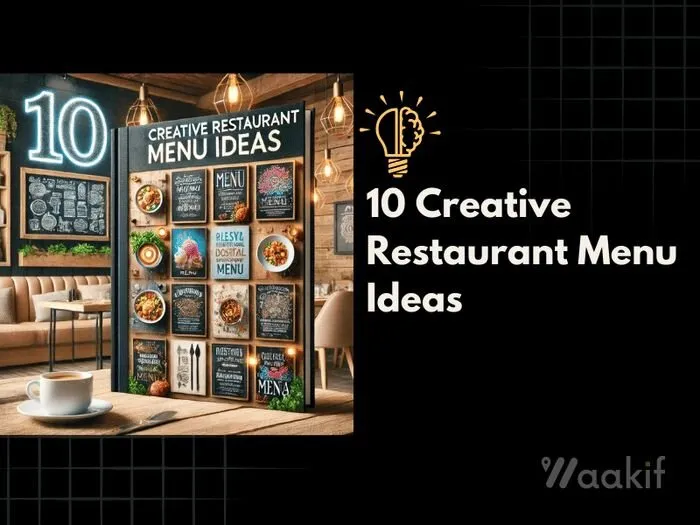
10 Creative Restaurant Menu Design Ideas

Why choose creative restaurant menu design ideas? The menu plays a vital role in the food business, and making a great menu for your restaurant can help you stand out from other restaurants. A special menu can bring in more customers and make their meals more enjoyable, which can boost sales. A good menu is not just a list of food; it can also help you sell more. The Significance of a Creative Menu A creative menu is essential as well as beneficial for your restaurant’s growth and profitability. Here are some key benefits: Customer Engagement: Unique restaurant menus are likely to engage more customers by enriching their dining experience. Brand Image: An appealing restaurant menu sets the tone for your restaurant’s brand. Revenue Growth: An appetizing menu is sure to entice customers towards your restaurant, resulting in increased sales and revenue growth. 10 Creative Restaurant Menu Design Ideas Let’s explore the top 10 creative restaurant menu design ideas to enhance your restaurant looks and feel: Nutrient-rich Menus Add dishes that include various healthy options such as vegan, protein-rich, gluten-free, dietary inclinations, and Jain food. Emphasize nutritional information and include fresh ingredients to attract customers. Regional Menus Incorporate fresh organic ingredients directly sourced from local farms. By supporting local farms and maintaining the quality of your restaurant’s food, you promote regional food, support sustainability, and connect with the community, resulting in an increased customer base. Seasonal Menus By incorporating seasonal dishes into the menu, you can have various food options throughout the year. For example, restaurants can offer Sarson Ka Saag and Makki Di Roti during winter and Mango Lassi in summer. Specific Themed Menus Integrate specific theme-based dishes in your menu based on holidays, seasons, and regional festivals. For example, add local traditional dishes during festivals or offer dishes centered around a particular type of food, like seafood or a Thai menu, during weekends. Blended Menus Mix foods from different cultures to create special dishes for your menu. Examples like chai cheesecake, butter chicken egg rolls, and paneer lasagna are exciting and popular in the food world. Digital Menus Add digital menus to every table to enhance visual appeal and create an interactive dining experience for customers. Digital menus are helpful for international customers as they support multiple languages, eliminating communication barriers. Personalized Menus Allow customers to personalize their menu according to their tastes and preferences. This satisfies customers as they can mix and match their choices, resulting in increased customer engagement. Chef’s Selection Menus Offer diners a small portion of a dish specially curated by the chef, showcasing the chef’s culinary talent. This way, customers can explore a variety of foods and new flavors. Clear-cut Menus Simplified and clear-cut menus ensure the best quality of food, prepared by the chef to perfection. Minimal food options ensure focus on quality and enhance customer satisfaction. Group Dining Menus A group of diners can enjoy sharing a large portion of a dish. Many Italian restaurants offer these interactive menus with a variety of food options, increasing customer engagement and encouraging repeat visits. Designing a Unique Menu Designing a menu involves several factors. Follow these strategies for creating a creative and unique menu: Highlight Your Theme: Represent your restaurant’s identity on the menu. Menu Format: Ensure proper alignment and highlight headings in sections. Font Style: Use easy-to-read and eye-catching font styles to highlight dish names. Images: Use high-quality, theme-based images that appeal to customers. Restaurant Menu Generator Using an online menu generator saves time and allows you to personalize the menu according to your restaurant’s theme. Choose a menu generator that meets your requirements. Some popular online menu generators include Canva, Adobe Spark, and MustHaveMenus. They provide professional-quality designs and have an easy user interface. Digital Menu for Restaurant Digital menus offer several benefits in the modern world: Easy to update Save money on printing Customers can view menus on their phones Reduce wait times Show pictures of food Make restaurants more efficient and modern Restaurant Digital Menu Extends with QR Menu A QR menu is a digital menu that customers can view by scanning a QR code with their phones. The code directs them to a website where they can browse all the food and drinks. No physical contact is needed, which is more hygienic Easy to update and change items Saves money on printing costs Customers can view the menu on their own devices Can include pictures and detailed descriptions of dishes Quick and convenient for customers Do you know Digital Menu and QR menu help to boost orders? Source – Madmobile Waakif helps create the best digital menu for restaurants and also offers a QR menu for your restaurant. Waakif’s Role in Simplifying Online Menu Creation Waakif helps in creating online menus easily with the use of AI product images, saving time. Attributes of Waakif’s Online Menu Generator AI-designed Product Visuals: Waakif’s menu generator uses AI to create flawless, professional-looking images, providing visual appeal with minimal cost and time. Seamless Interface: The menu generator is easy to use, allowing you to customize the menu according to your restaurant’s requirements without needing any design skills. Compatible with Various Restaurant Software: Easy and seamless integration with POS software is possible with Waakif’s menu generator, allowing you to track inventory levels and avoid low stocks at the last minute. Waakif Menu Creation: A Complete Manual Sign-up: Create an account on Waakif Digital Menu for Restaurant: Create your online store using AI images for your products. Personalize: Add descriptions, dish names, and images, edit layouts according to your requirements, and set product pricing. Waakif’s onboarding team will assist you at every step. Launch Site: Launch the digital menu for your restaurant with Waakif. Advantages of Using Waakif Minimal Time: Easily personalize your restaurant’s menu in minimal time without professional design knowledge. Premium Image Quality: Waakif ensures professional, high-quality images with the help of AI, providing visually appealing images and beautiful layouts. Customer Satisfaction: Waakif’s seamless menu generator helps create personalized menus that draw customer